
Exploring the realm of natural methods for enhancing mental health, this guide offers valuable insights in a formal yet engaging manner, inviting readers to delve into the intricate world of holistic well-being.
Delve deeper into the significance of natural approaches and their impact on long-term mental wellness, as well as the potential drawbacks of pharmaceutical solutions.
Benefits of Natural Methods for Improving Mental Health
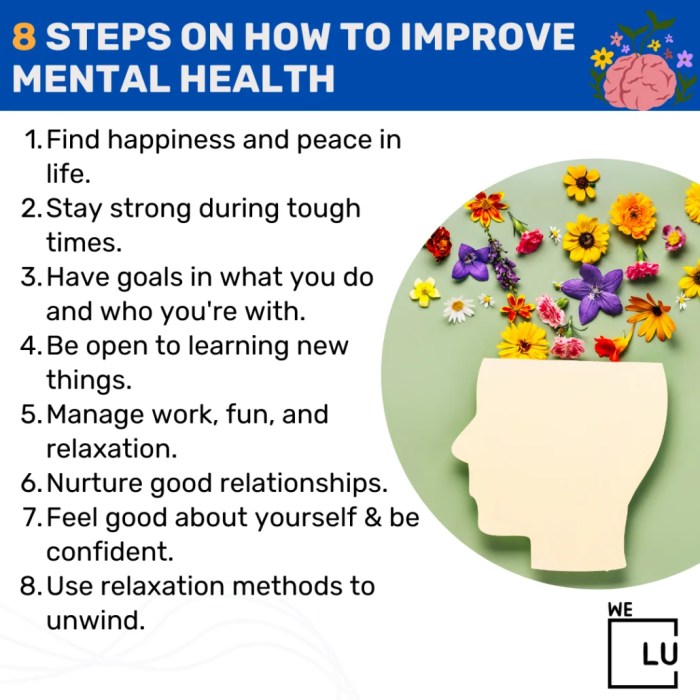
Natural approaches offer several advantages over medication when it comes to improving mental health. These methods focus on holistic well-being and often have fewer side effects compared to pharmaceutical interventions. Let's explore the benefits of using natural remedies to promote long-term mental well-being.
Reduced Side Effects
Natural methods for improving mental health, such as mindfulness, exercise, and dietary changes, typically have fewer side effects than psychiatric medications. Pharmaceutical interventions can sometimes lead to adverse reactions, including dependency and withdrawal symptoms, whereas natural remedies are gentler on the body and mind.
Promotes Long-Term Well-Being
Natural approaches to mental health focus on addressing underlying issues and promoting overall wellness. By incorporating practices like meditation, yoga, and spending time in nature, individuals can cultivate resilience, coping skills, and emotional regulation that contribute to long-term mental well-being.
These methods empower individuals to take control of their mental health and build sustainable habits for a healthier mind.
Individualized Treatment
Natural methods allow for a personalized approach to mental health care. Each individual is unique, and what works for one person may not work for another. Natural remedies offer a variety of options that can be tailored to meet the specific needs and preferences of each individual.
This personalized approach can lead to more effective and sustainable outcomes in managing mental health challenges.
Holistic Approaches to Enhancing Mental Health
Holistic health, in the context of mental well-being, refers to an approach that considers the interconnectedness of mind, body, and spirit in achieving overall wellness. It acknowledges that mental health is influenced by various factors beyond just the mind, such as physical health, emotions, and spiritual well-being.
Meditation
Meditation is a holistic practice that involves focusing the mind and eliminating distractions to promote relaxation and inner peace. Through regular practice, meditation can help reduce stress, anxiety, and improve mental clarity.
Yoga
Yoga combines physical postures, breathing exercises, and meditation to enhance mental and physical well-being. It promotes relaxation, reduces stress, increases flexibility, and improves overall mood. The mind-body connection in yoga helps individuals become more aware of their thoughts and emotions.
Aromatherapy
Aromatherapy involves using essential oils extracted from plants to promote physical and psychological well-being. Different scents have varying effects on mood and emotions, such as lavender for relaxation or citrus for energy. Aromatherapy can help reduce anxiety, improve sleep quality, and uplift mood.
Acupuncture
Acupuncture is a traditional Chinese medicine practice that involves inserting thin needles into specific points on the body to restore balance and flow of energy. It can help alleviate symptoms of anxiety, depression, and stress by promoting relaxation, reducing pain, and improving overall well-being.
Herbal Supplements
Herbal supplements, such as St. John's Wort for depression or Valerian root for anxiety, are natural remedies that can help support mental health. These supplements can complement traditional treatments and provide relief from symptoms of mood disorders, stress, and insomnia.
Nutrition and Mental Health
When it comes to mental health, nutrition plays a crucial role in maintaining overall well-being
Beneficial Nutrients for Improving Mental Well-being
Certain nutrients are known to have a positive effect on mental health and can help improve mood and cognitive function. Some of these key nutrients include:
- Omega-3 fatty acids:Found in fatty fish, flaxseeds, and walnuts, omega-3 fatty acids are essential for brain health and can help reduce symptoms of depression and anxiety.
- Vitamin D:Sunlight exposure and fortified foods like dairy and cereals can provide vitamin D, which is important for regulating mood and warding off depression.
- Magnesium:Nuts, seeds, and leafy green vegetables are rich in magnesium, a mineral that helps relax the nervous system and improve sleep quality.
- Zinc:Foods like oysters, beef, and lentils contain zinc, which is necessary for neurotransmitter function and can help alleviate symptoms of depression.
Impact of Gut Health on Mood and Cognitive Function
The gut-brain connection is a well-established link that shows the impact of gut health on mental well-being. A healthy gut microbiome can contribute to better mood regulation, reduced anxiety, and improved cognitive function. Eating a diet rich in fiber, fermented foods, and prebiotics can help support a healthy gut and, in turn, positively impact mental health.
Physical Exercise and Mental Health
Regular physical exercise is not only beneficial for your physical health but also plays a significant role in improving your mental well-being. Engaging in physical activity can positively influence your mood, reduce stress, anxiety, and depression, and boost self-esteem.
Benefits of Physical Exercise for Mental Health
- Release of endorphins: Physical activity stimulates the release of endorphins, also known as "feel-good" hormones, which can help reduce feelings of pain and stress.
- Improved sleep: Regular exercise can improve the quality of your sleep, which is essential for maintaining good mental health.
- Reduced symptoms of anxiety and depression: Exercise has been shown to alleviate symptoms of anxiety and depression by promoting the production of neurotransmitters like serotonin and dopamine.
Examples of Beneficial Exercises
- Aerobic exercises: Activities like running, swimming, or cycling can help improve cardiovascular health and boost mood.
- Yoga: Practicing yoga can enhance flexibility, strength, and relaxation, leading to a calmer mind and reduced stress levels.
- Strength training: Lifting weights or doing bodyweight exercises can increase self-esteem and improve overall mental well-being.
Connection between Physical Fitness and Emotional Resilience
Regular exercise not only improves physical fitness but also enhances emotional resilience. By engaging in physical activity, individuals can build mental strength, cope with stress more effectively, and develop a positive outlook on life.
Closing Summary
In conclusion, this discussion on improving mental health naturally encapsulates the essence of holistic well-being, emphasizing the interconnectedness of mind, body, and spirit. Dive into these practices to discover a path towards a healthier mind and soul.
Questions and Answers
What are the benefits of choosing natural methods over medication?
Natural methods offer a more sustainable approach to mental wellness without the potential side effects associated with pharmaceuticals.
How does diet affect mental health?
Diet plays a crucial role in mental well-being, with specific nutrients like omega-3 fatty acids and magnesium promoting a healthy mind.
Which exercises are best for improving mental health?
Exercises like yoga, running, and dancing have been shown to have positive effects on mental well-being by releasing endorphins.