Embark on a journey to discover the intricacies of crafting a personalized digital health plan. Dive into the world of tailored health solutions and the pivotal role technology plays in this process.
Understand the concept of personalized digital health plans
Personalized digital health plans refer to customized healthcare strategies tailored to an individual's specific needs and goals. These plans take into account a person's unique health history, current conditions, lifestyle, and preferences to provide targeted interventions and support.
Importance of tailoring health plans to individual needs
Creating personalized health plans is crucial as it ensures that individuals receive care and guidance that are specifically designed for them. This approach acknowledges that one size does not fit all when it comes to healthcare, and that personalized plans can lead to better outcomes and overall health improvement.
- Personalized health plans take into consideration each individual's unique health goals and challenges, allowing for more effective interventions and support.
- By tailoring plans to individual needs, healthcare providers can address specific risk factors and health concerns, leading to more targeted and efficient care.
- Individualized health plans empower individuals to take an active role in managing their health, increasing engagement and adherence to treatment regimens.
Role of technology in creating personalized health plans
Technology plays a significant role in the development and implementation of personalized digital health plans. Through the use of digital tools and platforms, healthcare providers can collect, analyze, and interpret data to create tailored interventions and recommendations for individuals.
Technology enables the seamless integration of health information, allowing for real-time monitoring and adjustments to personalized health plans.
- Digital health platforms can track health metrics, such as physical activity levels, sleep patterns, and vital signs, providing a comprehensive view of an individual's health status.
- Artificial intelligence and machine learning algorithms can analyze large datasets to identify patterns and trends, helping healthcare providers make informed decisions when customizing health plans.
- Telehealth services and remote monitoring tools allow for continuous communication between individuals and their healthcare providers, facilitating ongoing support and guidance.
Assessing individual health needs
When it comes to building a personalized digital health plan, it is crucial to assess individual health needs accurately. By identifying specific factors, gathering precise health data, and leveraging technology effectively, a tailored plan can be created to address personal health goals and concerns.
Factors to consider when assessing someone’s health needs
- Medical history: Understanding past health issues, treatments, and medications is essential in determining current health needs.
- Lifestyle habits: Factors such as diet, exercise routine, sleep patterns, and stress levels play a significant role in overall health.
- Genetic predispositions: Family history of certain conditions can provide insights into potential health risks.
- Current symptoms: Identifying any ongoing symptoms or discomfort is crucial in addressing immediate health concerns.
Importance of gathering accurate health data
Accurate health data serves as the foundation for creating a personalized digital health plan. By collecting precise information on various health metrics, such as blood pressure, heart rate, blood sugar levels, and more, healthcare providers can offer tailored recommendations and interventions.
This data enables tracking progress, monitoring changes, and making informed decisions to improve overall health outcomes.
How to use technology to collect health information effectively
- Wearable devices: Smartwatches, fitness trackers, and health apps can monitor vital signs, activity levels, and sleep patterns in real-time.
- Telehealth platforms: Virtual consultations and remote monitoring tools allow individuals to connect with healthcare professionals and share health data conveniently.
- Health tracking apps: Applications that record dietary intake, exercise routines, medication adherence, and symptoms help in maintaining a comprehensive health record.
- Personal health portals: Online platforms that enable individuals to access and manage their health information securely promote active participation in care management.
Designing a personalized digital health plan
Creating a customized health plan involves several key steps to ensure it meets the individual's unique needs and goals. One of the crucial aspects of designing a personalized digital health plan is setting specific health goals that are achievable and measurable.
These goals serve as a roadmap for tracking progress and staying motivated throughout the journey towards better health.
Setting specific health goals
Setting specific health goals is essential in creating a personalized digital health plan as it provides clarity and direction. By defining clear and achievable objectives, individuals can focus their efforts on making tangible improvements to their health and well-being.
- Identify areas of improvement: Start by assessing your current health status and identifying areas where you would like to see changes.
- Make goals measurable: Set specific, measurable targets such as losing a certain amount of weight, reducing cholesterol levels, or increasing physical activity.
- Establish a timeline: Determine a realistic timeline for achieving each goal, breaking down larger objectives into smaller, manageable steps.
- Track progress: Use tracking tools such as fitness apps, wearable devices, or health journals to monitor your progress regularly and make adjustments as needed.
Incorporating tracking tools for progress monitoring
Utilizing tracking tools is a key component of a personalized digital health plan as it allows individuals to monitor their progress, stay accountable, and make informed decisions based on data.
- Choose the right tools: Select tracking tools that align with your health goals and preferences, whether it's a step tracker, calorie counter, or sleep monitor.
- Consistency is key: Establish a routine for tracking your health metrics consistently to ensure accuracy and effectiveness.
- Review and adjust: Regularly review your tracked data to evaluate your progress, identify patterns, and make necessary adjustments to your health plan.
- Celebrate milestones: Acknowledge and celebrate your achievements along the way to stay motivated and continue working towards your ultimate health goals.
Implementing and adjusting the health plan
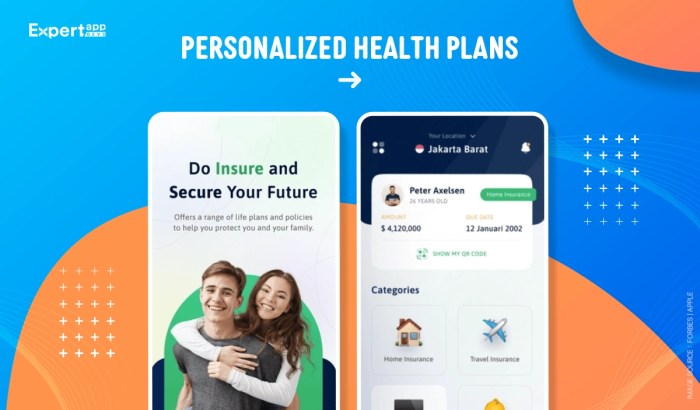
Implementing a digital health plan is crucial for achieving your health goals. It involves incorporating the personalized recommendations and strategies into your daily routine to see progress over time. Staying motivated and being accountable are key factors in successfully following through with your plan.
Additionally, being able to adjust the plan based on your progress and feedback is essential for continuous improvement.
Effective Implementation Strategies
- Set specific and achievable goals: Define clear objectives that align with your overall health plan to track your progress effectively.
- Establish a routine: Incorporate healthy habits into your daily schedule to ensure consistency in following your digital health plan.
- Utilize technology: Make use of apps, wearable devices, or online platforms to monitor your health metrics and stay on track with your goals.
- Stay connected: Engage with online communities, friends, or family members for support and motivation throughout your health journey.
Staying Motivated and Accountable
- Track your progress: Regularly monitor your health metrics and achievements to stay motivated and accountable for your actions.
- Reward yourself: Celebrate small victories along the way to maintain a positive mindset and boost your motivation to continue.
- Find a buddy: Partner up with a friend or family member to share your health goals and progress, providing mutual support and accountability.
- Visualize success: Envision the positive outcomes of following your health plan to stay motivated and focused on your journey.
Adjusting the Plan Based on Progress and Feedback
- Regularly assess your results: Analyze your health data and feedback to identify areas of improvement and make necessary adjustments to your plan.
- Consult with professionals: Seek guidance from healthcare providers or wellness experts to help you modify your plan according to your evolving health needs.
- Listen to your body: Pay attention to how your body responds to the implemented strategies and make changes based on your personal experience and feedback.
- Stay open to change: Embrace flexibility in your health plan to adapt to new information, challenges, and opportunities for growth.
Wrap-Up
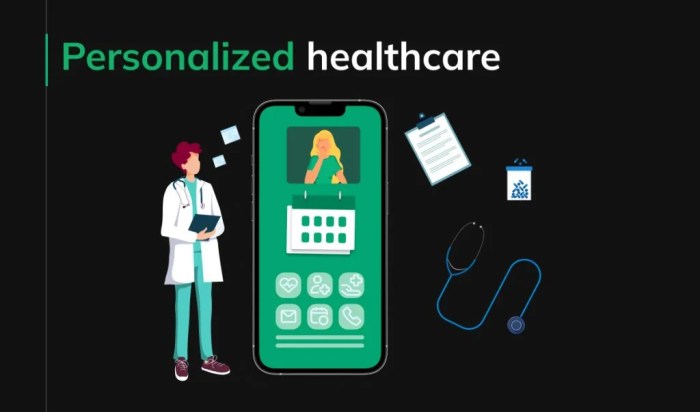
As we conclude this discussion on building personalized digital health plans, remember that customization, goal-setting, and effective monitoring are key elements to success in this endeavor. Take charge of your health journey with confidence and empowerment.
Q&A
How can I ensure my digital health plan is personalized to my needs?
To tailor your plan effectively, focus on gathering accurate health data, setting specific goals, and incorporating tracking tools for progress monitoring.
What role does technology play in creating personalized health plans?
Technology enables efficient collection of health information, customization of plans, and real-time monitoring, enhancing the overall effectiveness of personalized health plans.
How do I stay motivated and accountable while following a digital health plan?
Strategies like setting achievable goals, seeking support from peers or professionals, and regularly reviewing your progress can help you stay motivated and accountable throughout your health journey.