
Delving into the realm of wearable devices for tracking health metrics opens up a world of possibilities and advancements in the realm of personal health monitoring. From measuring vital signs to keeping tabs on daily activities, these devices offer a holistic approach to health management that is both intriguing and beneficial.
Moving forward, we will explore the fundamental aspects of these devices, shedding light on their features, design, connectivity, and more.
Introduction to Wearable Health Devices
Wearable health devices are gadgets that can be worn on the body to track various health metrics and provide valuable insights into one's overall well-being. These devices are designed to monitor activities such as heart rate, sleep patterns, exercise routines, and more, helping individuals make informed decisions about their health and lifestyle choices.The benefits of using wearable devices for tracking health metrics are vast.
They allow users to keep a close eye on their physical activity levels, sleep quality, and even stress levels throughout the day. By having access to real-time data, individuals can adjust their habits to improve their health and well-being over time.Some popular wearable health devices in the market today include Fitbit, Apple Watch, Garmin Vivosmart, and Samsung Galaxy Fit.
These devices come equipped with features like step tracking, heart rate monitoring, sleep analysis, and even GPS capabilities, providing users with a comprehensive overview of their health and fitness progress.
Features to Consider
When choosing a wearable health device, there are several important features to consider to ensure accurate tracking of health metrics.
Essential Health Metrics
- Heart Rate: Monitoring your heart rate can provide insights into your cardiovascular health and fitness levels.
- Calories Burned: Tracking the number of calories you burn can help you stay on target with your weight management goals.
- Steps Taken: Counting your steps can motivate you to stay active and reach your daily exercise targets.
- Sleep Quality: Monitoring your sleep patterns can help you understand your sleeping habits and make improvements for better rest.
Importance of Accuracy
Accurate tracking of health metrics is crucial for making informed decisions about your health and well-being. A reliable wearable device ensures that the data you receive is trustworthy and can be used to adjust your lifestyle choices accordingly.
Types of Sensors
- Accelerometer: Measures movement and helps track steps and overall activity levels.
- Heart Rate Monitor: Detects heart rate variations and provides insights into cardiovascular health.
- GPS: Enables tracking of outdoor activities and distance covered during workouts.
- Sleep Tracker: Monitors sleep cycles and quality to optimize rest and recovery.
Design and Comfort
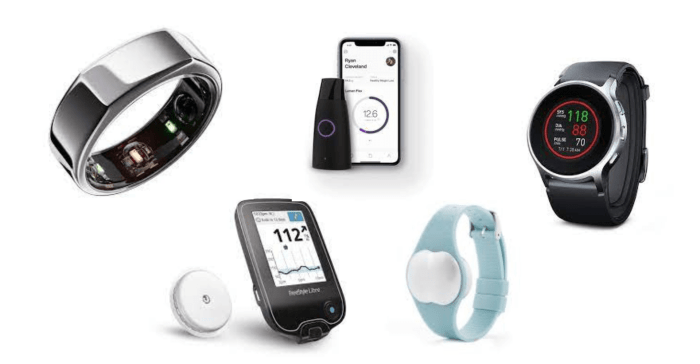
Ergonomic design and comfort are crucial factors in wearable health devices as they greatly impact user experience and adherence to using these devices consistently.
Importance of Ergonomic Design
Ergonomic design focuses on creating devices that fit comfortably on the body, ensuring they are not bulky or cumbersome to wear. This is essential to prevent any discomfort or irritation, especially for long-term use
Role of Comfort in User Adherence
The comfort of wearable health devices directly influences user adherence. If a device is uncomfortable to wear, users are less likely to continue using it regularly. Comfortable devices are more likely to be worn consistently, leading to more accurate tracking of health metrics.
Examples of Innovative Design Features for Comfort
- The Fitbit Charge 4 includes a lightweight design with a comfortable band that is adjustable to fit different wrist sizes, ensuring a snug and secure fit for users.
- The Apple Watch Series 6 features a sleek and slim design, making it comfortable to wear throughout the day without feeling bulky or heavy on the wrist.
- The Garmin Vivosmart 4 offers a soft silicone band that is gentle on the skin, preventing any irritation or discomfort even during intense physical activities.
Connectivity and Compatibility
When it comes to wearable health devices, connectivity and compatibility play a crucial role in ensuring a seamless user experience. Let's explore how these factors impact the functionality of these devices.
Bluetooth and Wi-Fi Connectivity
Most wearable health devices come equipped with Bluetooth and Wi-Fi connectivity options. Bluetooth allows for easy pairing with smartphones and other devices, enabling real-time data syncing and notifications. On the other hand, Wi-Fi connectivity ensures that the device can access the internet for software updates and enhanced features.
Compatibility with Smartphones and Operating Systems
It's essential to consider the compatibility of wearable health devices with various smartphones and operating systems. Whether you use an iOS or Android device, ensuring that the wearable device is compatible with your smartphone is crucial for seamless data transfer and functionality.
Some devices may have limited compatibility with certain operating systems, so it's important to check before making a purchase.
Integration with Health Apps
Seamless integration with health apps is another key feature that enhances the user experience of wearable health devices. By syncing data with popular health and fitness apps, users can track their progress, set goals, and receive personalized insights based on their health metrics.
This integration not only enhances user engagement but also provides a more comprehensive view of one's health and wellness journey.
Final Thoughts
As we conclude our journey through the realm of wearable devices for tracking health metrics, it becomes evident that these gadgets are not just accessories but essential tools in our quest for optimal health. With a myriad of options available, selecting the right device can make a significant impact on one's well-being.
Stay informed, stay healthy.
Questions and Answers
What are the key health metrics that wearable devices can track?
Wearable devices can track a range of health metrics including heart rate, sleep patterns, steps taken, calories burned, and even stress levels.
How important is accuracy in tracking health metrics with wearable devices?
Accuracy is crucial as it ensures that the data collected is reliable for making informed decisions about one's health and well-being.
Do wearable devices with innovative design features enhance user comfort?
Yes, wearable devices with innovative design features are often more comfortable to wear for extended periods, improving user adherence.
How does seamless integration with health apps benefit users of wearable devices?
Seamless integration with health apps allows users to easily access and analyze their health data, providing a more comprehensive view of their well-being.