Embark on a journey of discovery with Healthy aging tips backed by science, exploring the key factors that contribute to a fulfilling and vibrant life as we age. From nutrition to physical activity, mental well-being to sleep, this guide covers it all to help you thrive in your golden years.
Importance of Healthy Aging
Maintaining good health as we age is crucial for a high quality of life. Healthy aging allows individuals to remain active, independent, and engaged in their daily activities for a longer period of time. It also contributes to a sense of well-being and overall life satisfaction.
Positive Impact on Overall Well-being
- Healthy aging promotes physical and mental well-being, leading to increased energy levels and improved mood.
- It enhances cognitive function, memory, and decision-making skills, allowing individuals to maintain their independence and autonomy.
- Healthy aging fosters social connections and relationships, reducing feelings of loneliness and isolation.
Role in Reducing Risk of Age-related Diseases
- Engaging in a healthy lifestyle, including regular exercise and a balanced diet, can help prevent chronic conditions such as heart disease, diabetes, and osteoporosis.
- Healthy aging practices, such as regular health screenings and preventive measures, can detect potential health issues early on and facilitate timely intervention.
- Managing stress, getting enough sleep, and staying physically active can lower the risk of cognitive decline and neurodegenerative diseases like Alzheimer's.
Nutrition and Healthy Aging
Proper nutrition plays a crucial role in promoting healthy aging and longevity. Including key nutrients in your diet can help support overall health and well-being as you age.
Key Nutrients for Healthy Aging
Essential nutrients for healthy aging include:
- Omega-3 fatty acids: Found in fish, nuts, and seeds, omega-3s can help reduce inflammation and support brain health.
- Antioxidants: Foods rich in antioxidants, such as berries, leafy greens, and beans, can help protect cells from damage caused by free radicals.
- Calcium and Vitamin D: Important for bone health, calcium and vitamin D can help prevent osteoporosis and fractures.
- Protein: Adequate protein intake is essential for maintaining muscle mass and strength as you age.
- Fiber: Fiber-rich foods like whole grains, fruits, and vegetables can aid in digestion and help prevent chronic diseases.
Dietary Patterns for Healthy Aging
Various dietary patterns can promote healthy aging, such as:
- Mediterranean Diet: Rich in fruits, vegetables, whole grains, lean proteins, and healthy fats, the Mediterranean diet is associated with numerous health benefits, including reduced risk of heart disease and cognitive decline.
- DASH Diet: The Dietary Approaches to Stop Hypertension (DASH) diet emphasizes fruits, vegetables, whole grains, and low-fat dairy products, making it an excellent choice for heart health and blood pressure management.
- Plant-Based Diet: A plant-based diet centered around fruits, vegetables, legumes, nuts, and seeds can provide ample nutrients and fiber while reducing the risk of chronic diseases.
Meal Planning for Healthy Aging
When planning meals to support healthy aging, consider the following tips:
- Include a variety of colorful fruits and vegetables to ensure a range of nutrients.
- Incorporate lean proteins like poultry, fish, tofu, and legumes to support muscle health.
- Choose whole grains over refined grains for added fiber and nutrients.
- Avoid excess sugar, salt, and saturated fats, opting for healthier alternatives whenever possible.
- Stay hydrated by drinking an adequate amount of water throughout the day.
Physical Activity and Healthy Aging
Regular exercise plays a crucial role in promoting healthy aging by improving overall physical and mental well-being. It can help seniors maintain mobility, independence, and quality of life as they age.
The Benefits of Regular Exercise
- Improves cardiovascular health and reduces the risk of heart disease
- Helps maintain a healthy weight and metabolism
- Enhances muscle strength, flexibility, and balance
- Boosts mood, cognitive function, and overall mental health
Examples of Low-Impact Exercises for Seniors
- Walking or brisk walking
- Swimming or water aerobics
- Cycling on a stationary bike
- Yoga or tai chi for flexibility and balance
The Importance of Strength Training
Strength training is essential for preventing muscle loss and maintaining muscle mass, especially as we age. It helps improve bone density, joint health, and overall functional capacity. Incorporating resistance exercises using body weight, resistance bands, or light weights can help seniors stay strong and independent.
Mental Well-being and Healthy Aging
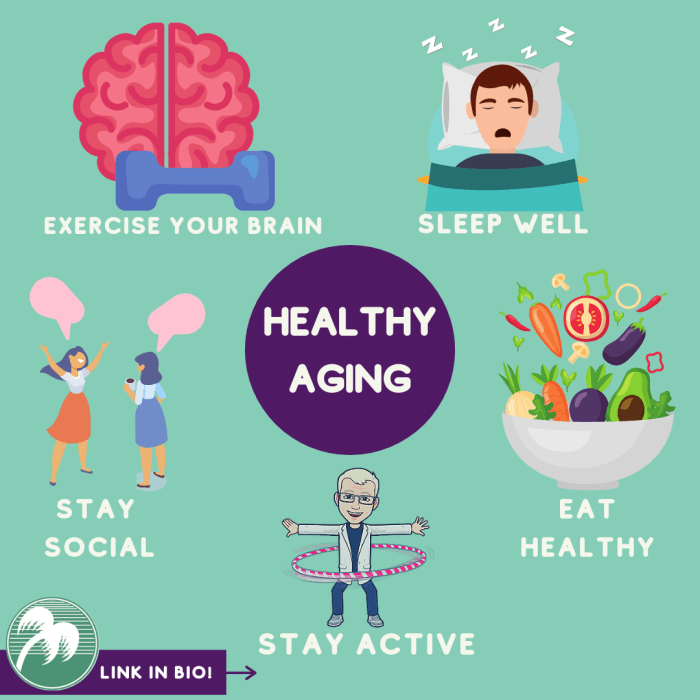
Maintaining good mental well-being is crucial for healthy aging as it affects cognitive function, emotional health, and overall quality of life in older adults.
Strategies for Maintaining Cognitive Function and Mental Acuity
- Engage in mentally stimulating activities such as puzzles, reading, or learning a new skill to keep your brain active.
- Stay socially connected with friends and family to combat feelings of loneliness and isolation.
- Practice mindfulness and relaxation techniques to reduce stress and improve mental clarity.
- Eat a balanced diet rich in brain-boosting nutrients like omega-3 fatty acids, antioxidants, and vitamins.
- Get regular exercise to promote blood flow to the brain and enhance cognitive function.
Impact of Social Interactions and Engagement
Social interactions and engagement play a significant role in healthy aging by providing emotional support, reducing stress, and enhancing cognitive function. Maintaining strong social connections can help prevent feelings of loneliness and depression, leading to improved mental well-being and overall quality of life in older adults.
Sleep and Healthy Aging
Quality sleep is essential for healthy aging as it plays a crucial role in overall well-being and longevity. Adequate rest during sleep allows the body to repair and rejuvenate, supporting various bodily functions and processes necessary for optimal health.
Importance of Quality Sleep
Quality sleep is vital for healthy aging as it helps in the consolidation of memories, regulation of mood, and maintenance of cognitive function. It also contributes to the proper functioning of the immune system, hormone regulation, and overall physical health.
- Establish a regular sleep schedule by going to bed and waking up at the same time every day, even on weekends.
- Create a relaxing bedtime routine to signal to your body that it is time to wind down and prepare for sleep.
- Ensure your sleep environment is conducive to rest, with a comfortable mattress, pillows, and a cool, dark, and quiet room.
- Avoid stimulants like caffeine and electronic devices close to bedtime, as they can interfere with your ability to fall asleep.
- Engage in regular physical activity during the day, but avoid vigorous exercise close to bedtime.
Link between Sleep Deprivation and Accelerated Aging
Sleep deprivation has been linked to accelerated aging as it can lead to an increase in inflammation, oxidative stress, and a compromised immune system. Chronic sleep deprivation can also contribute to the development of age-related diseases and cognitive decline.
Last Recap
In conclusion, Healthy aging tips backed by science offer invaluable insights into maintaining a healthy and active lifestyle as we grow older. By incorporating these evidence-based strategies into your daily routine, you can enhance your quality of life and embrace the aging process with vitality and vigor.
Key Questions Answered
What are some key nutrients essential for healthy aging?
Key nutrients for healthy aging include omega-3 fatty acids, antioxidants like vitamin C and E, and calcium for bone health.
How does regular exercise promote healthy aging?
Regular exercise helps improve cardiovascular health, maintain muscle mass, and enhance flexibility and balance, all crucial for healthy aging.
What strategies can I use to maintain cognitive function as I age?
Engaging in mentally stimulating activities, staying socially active, and getting regular exercise can all help maintain cognitive function as you age.
How can I improve my sleep quality for healthy aging?
Establishing a consistent sleep schedule, creating a relaxing bedtime routine, and ensuring your sleep environment is conducive to rest can all improve sleep quality for healthy aging.