
Embark on a journey to explore the health benefits of intermittent fasting explained in detail. Discover how this popular health trend can positively impact various aspects of your well-being, from weight loss to cellular health.
Dive into the different types of intermittent fasting schedules and the science behind its effectiveness. Uncover the secrets to improving metabolic health and achieving mental clarity through this unique dietary approach.
Introduction to Intermittent Fasting
Intermittent fasting is a dietary approach that cycles between periods of fasting and eating. It focuses on when to eat rather than what to eat, allowing the body to burn stored fat for energy. This method has gained popularity for its potential health benefits beyond weight loss.
Types of Intermittent Fasting Schedules
- 16/8 Method: Involves fasting for 16 hours and eating within an 8-hour window each day.
- 5:2 Diet: Includes eating normally for 5 days a week and restricting calorie intake to 500-600 calories on the other 2 days.
- Alternate-Day Fasting: Alternates between fasting days, where little to no calories are consumed, and regular eating days.
Popularity of Intermittent Fasting
Intermittent fasting has gained traction in the health and wellness community due to its simplicity and potential benefits like weight loss, improved metabolic health, and longevity. Many people find it easier to adhere to compared to traditional calorie-restricted diets, making it a popular trend in the health and fitness world.
Health Benefits of Intermittent Fasting
Intermittent fasting has gained popularity not just for weight loss but also for its potential health benefits. Let's explore some of the key advantages it offers.
Weight Loss
Intermittent fasting can be an effective tool for weight management. By restricting the time window for eating, it helps in reducing overall calorie intake. Additionally, it promotes the body to use stored fat for energy, leading to weight loss over time.
Improved Metabolic Health
Intermittent fasting has been shown to have positive effects on metabolic health. It can help lower levels of inflammation, improve blood sugar levels, and reduce risk factors for heart disease. By giving the digestive system a break during fasting periods, it allows the body to focus on repair and maintenance processes.
Enhanced Insulin Sensitivity
One of the key benefits of intermittent fasting is its impact on insulin sensitivity. Fasting periods can lower blood sugar levels and improve insulin function. This can be particularly beneficial for individuals with insulin resistance or type 2 diabetes. By regulating insulin levels, intermittent fasting can help in better blood sugar control and overall metabolic health.
Effects on Cellular Health
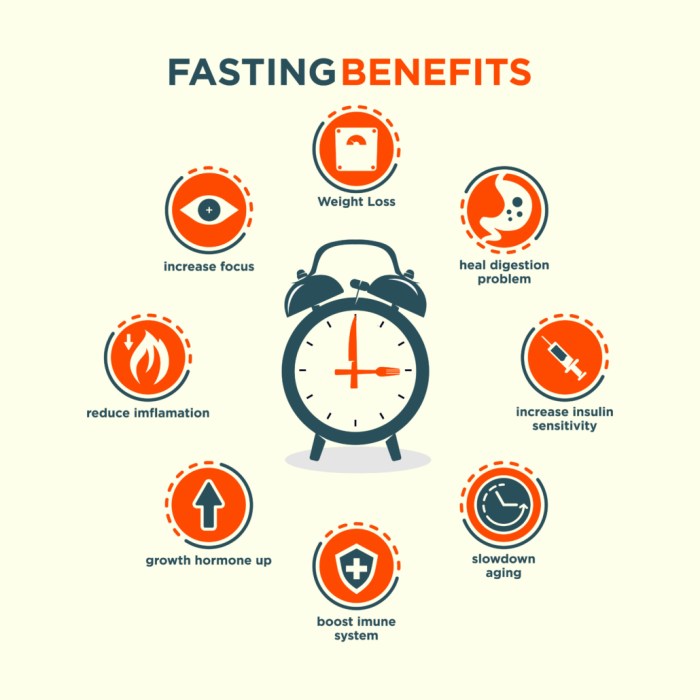
Intermittent fasting not only impacts weight loss and metabolism but also plays a crucial role in promoting cellular health and rejuvenation. During fasting periods, the body initiates various cellular repair processes that can have long-lasting benefits on overall health.
Autophagy and Cellular Rejuvenation
Autophagy is a key process that occurs during fasting, where the body removes damaged cellular components and recycles them to promote cellular rejuvenation. This process helps in clearing out toxins and waste from cells, leading to improved cell function and overall health.
- Autophagy helps in removing misfolded proteins and damaged organelles from cells.
- It promotes the regeneration of new and healthy cells, contributing to improved cellular function.
- By eliminating dysfunctional components, autophagy plays a crucial role in preventing age-related diseases and promoting longevity.
Impact on Gene Expression
Intermittent fasting has been shown to influence gene expression, leading to changes that can have positive effects on cellular health and overall well-being. Fasting triggers certain genes that are responsible for cellular repair, stress resistance, and longevity.
- Fasting promotes the activation of genes involved in DNA repair and protection against oxidative stress.
- It can regulate the expression of genes linked to inflammation, potentially reducing the risk of chronic diseases.
- Intermittent fasting can also impact gene pathways related to metabolism, insulin sensitivity, and energy production in cells.
Mental Clarity and Brain Health
Intermittent fasting not only benefits physical health but also has positive effects on mental clarity and brain health. Fasting can enhance cognitive function and protect against neurodegenerative diseases, leading to improved brain health overall.
Cognitive Benefits of Intermittent Fasting
Intermittent fasting has been shown to stimulate the production of brain-derived neurotrophic factor (BDNF), a protein that promotes the growth and protection of nerve cells. This can enhance cognitive function, improve memory, and boost overall brain health.
Protection Against Neurodegenerative Diseases
Studies have suggested that intermittent fasting may help protect the brain against neurodegenerative diseases such as Alzheimer's and Parkinson's. Fasting triggers cellular processes that can reduce inflammation, oxidative stress, and the accumulation of toxic proteins in the brain, all of which are associated with these conditions.
Improved Mental Focus
Fasting has been linked to increased mental focus and clarity. By giving the brain a break from constant digestion and providing periods of rest, intermittent fasting may help improve concentration, productivity, and overall mental performance.
Heart Health and Disease Prevention
Intermittent fasting has been shown to have positive effects on heart health and can help in preventing cardiovascular diseases.
Reduction of Risk Factors
Intermittent fasting has been linked to a reduction in various risk factors for heart disease, such as inflammation, high blood sugar levels, and insulin resistance. By regulating these factors, fasting can help lower the overall risk of developing heart-related issues.
- Intermittent fasting can lead to a decrease in blood pressure, which is a major risk factor for heart disease. By reducing blood pressure levels, fasting can help improve heart health and lower the risk of heart attacks and strokes.
- Fasting has also been shown to lower cholesterol levels, specifically reducing LDL cholesterol (often referred to as "bad" cholesterol) and triglycerides. By decreasing these lipid levels, intermittent fasting can help prevent the buildup of plaque in the arteries, reducing the risk of heart disease.
- Furthermore, intermittent fasting can improve overall cardiovascular function by enhancing heart rate variability, which is an important indicator of heart health. This improved function can help protect against heart disease and other cardiovascular conditions.
Final Wrap-Up
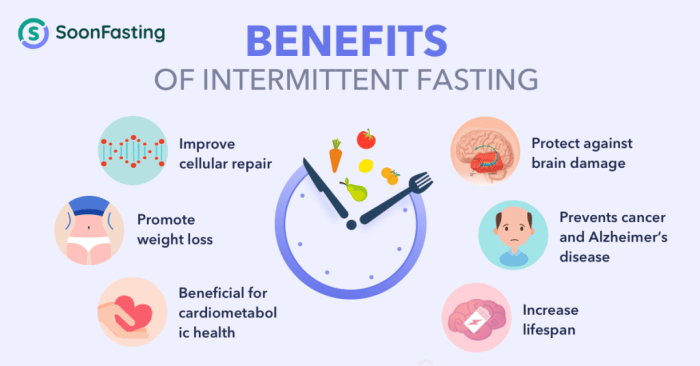
In conclusion, the health benefits of intermittent fasting are vast and scientifically backed. By incorporating this practice into your lifestyle, you can experience positive changes in weight management, cellular rejuvenation, mental focus, and heart health. Take the first step towards a healthier you with intermittent fasting.
FAQ Section
How often should I practice intermittent fasting?
It is recommended to start with a 12-hour fasting window and gradually increase it to 16-18 hours for optimal benefits.
Can I drink water during intermittent fasting?
Yes, staying hydrated with water, tea, or black coffee is essential during fasting periods.
Are there any side effects of intermittent fasting?
Some people may experience initial side effects like fatigue or irritability, but these often subside as the body adjusts.
Is intermittent fasting suitable for everyone?
Intermittent fasting may not be suitable for pregnant women, individuals with eating disorders, or those with certain medical conditions. Consult a healthcare professional before starting.