Workplace wellness programs that boost productivity set the foundation for a compelling narrative, inviting readers into a world filled with intricate details and original insights. As we delve into the realm of enhancing workplace well-being, a myriad of strategies and approaches unfold to elevate employee performance and satisfaction.
Benefits of Workplace Wellness Programs
Workplace wellness programs are designed to enhance the overall health and well-being of employees, leading to a myriad of benefits, including increased productivity in the workplace. By prioritizing employee health and wellness, organizations can create a positive work environment that fosters motivation, engagement, and higher performance levels.
Physical Wellness Initiatives
Implementing physical wellness initiatives such as on-site fitness classes, standing desks, or walking meetings can help employees stay active throughout the day. Regular physical activity not only improves physical health but also boosts energy levels, reduces stress, and enhances cognitive function, leading to improved productivity.
Mental Health Support
Offering mental health resources like counseling services, stress management workshops, or mindfulness sessions can significantly impact employee well-being. By addressing mental health concerns and providing support, organizations can reduce absenteeism, increase focus and concentration, and promote a positive work culture conducive to productivity.
Healthy Eating Options
Providing access to nutritious snacks, meal planning resources, or nutrition workshops can encourage healthier eating habits among employees. A well-balanced diet can improve overall health, increase energy levels, and enhance concentration, leading to higher productivity levels in the workplace.
Work-Life Balance Programs
Implementing programs that support work-life balance, such as flexible work schedules, telecommuting options, or paid time off, can help employees manage their personal and professional responsibilities effectively. When employees feel supported in achieving a healthy balance, they are more likely to be engaged, motivated, and productive at work.
Employee Engagement Activities
Organizing team-building events, recognition programs, or social activities can boost employee morale and create a sense of belonging within the organization. Engaged employees are more likely to be committed to their work, collaborate effectively with colleagues, and contribute positively to the overall productivity of the workplace.
Designing Effective Wellness Programs
Creating successful workplace wellness programs involves incorporating key components that cater to the diverse needs of employees. By tailoring wellness initiatives accordingly, companies can boost productivity and overall employee well-being. Let's explore some strategies for designing effective wellness programs.
Key Components of Successful Workplace Wellness Programs:
- Comprehensive Health Assessments: Conducting regular health assessments can help identify areas of improvement and tailor wellness programs to address specific needs.
- Physical Fitness Initiatives: Encouraging physical activity through onsite fitness classes, gym memberships, or step challenges can promote a healthy lifestyle among employees.
- Nutritional Support: Providing access to healthy food options, nutrition counseling, and weight management programs can contribute to overall wellness.
- Mental Health Resources: Offering counseling services, stress management workshops, and mindfulness sessions can support employees' mental well-being.
- Work-Life Balance Programs: Flexible work arrangements, mental health days, and time-off policies can help employees maintain a healthy work-life balance.
Tailoring Wellness Initiatives to Suit Different Employees:
- Customized Programs: Offering a variety of wellness options allows employees to choose activities that align with their interests and health goals.
- Cultural Sensitivity: Recognizing diverse cultural backgrounds and preferences when designing wellness programs ensures inclusivity and participation from all employees.
- Frequent Feedback: Gathering feedback from employees about their wellness needs and preferences can help tailor initiatives for maximum engagement and impact.
Examples of Companies with Innovative Wellness Programs:
- Google: Known for its extensive wellness offerings, Google provides on-site fitness centers, healthy food options, mental health resources, and mindfulness programs to employees.
- Salesforce: Salesforce promotes employee well-being through its "Mindfulness Zone," fitness challenges, mental health support, and work-life balance initiatives.
- Zappos: Zappos focuses on creating a positive work environment by offering wellness stipends, fitness classes, and team-building activities that contribute to employee happiness and productivity.
Implementing Wellness Programs
Implementing wellness programs in the workplace requires careful planning and effective communication to ensure successful adoption by employees. By following certain strategies, organizations can create a culture of health and well-being that boosts productivity and employee satisfaction.
Introducing Wellness Programs Effectively
- Clearly communicate the purpose and benefits of the wellness program to employees, emphasizing how it can improve their health and overall well-being.
- Involve employees in the planning process to ensure that the program meets their needs and interests.
- Provide resources and support for employees to participate in wellness activities, such as access to fitness facilities, healthy snacks, and mental health resources.
- Offer incentives or rewards for participation in wellness programs to motivate employees and encourage engagement.
Encouraging Employee Participation
- Organize engaging and interactive wellness activities that cater to a diverse range of interests and fitness levels.
- Create a supportive environment where employees feel comfortable and encouraged to take part in wellness initiatives.
- Educate employees on the importance of prioritizing their health and well-being, emphasizing the long-term benefits of participating in wellness programs.
- Celebrate successes and achievements of employees who actively engage in wellness activities, fostering a sense of community and camaraderie.
Measuring the Impact on Productivity
- Conduct regular assessments and surveys to gather feedback from employees on their experience with the wellness program and its impact on their well-being.
- Track key performance indicators related to productivity, such as absenteeism rates, employee engagement levels, and overall job satisfaction.
- Compare productivity data before and after implementing the wellness program to analyze any improvements or changes in employee performance.
- Utilize data analytics tools to measure the return on investment of the wellness program and identify areas for improvement or expansion.
Challenges and Solutions
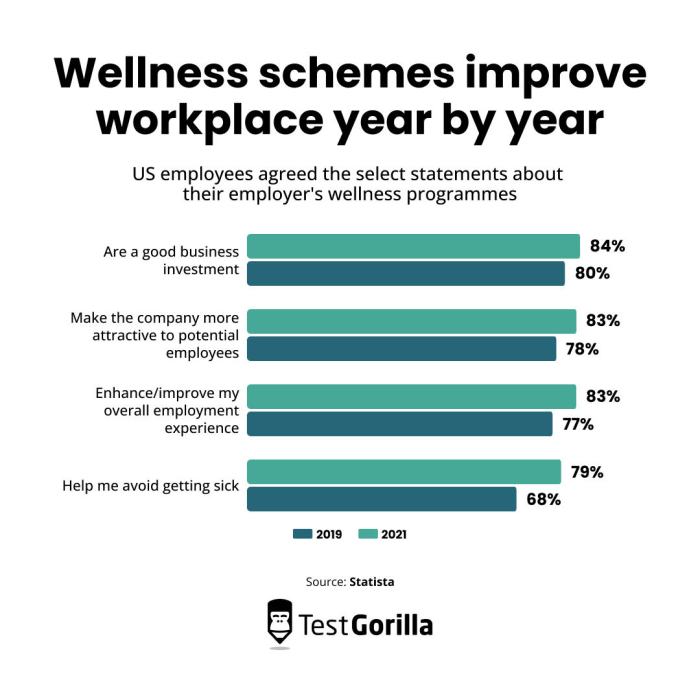
Implementing workplace wellness programs can face various challenges that may hinder their success. To ensure the effectiveness of these initiatives, it is essential to address these obstacles and find suitable solutions.
Resistance and Skepticism
Resistance and skepticism towards wellness programs can be a common challenge in the workplace. Employees may be hesitant to participate due to various reasons such as lack of time, perceived ineffectiveness, or simply reluctance to change. To address this challenge, it is crucial to:
- Communicate effectively: Clearly communicate the benefits of the wellness program and how it can positively impact both the individual and the organization.
- Engage employees: Involve employees in the design and implementation process to make them feel more invested in the program.
- Educate and raise awareness: Provide information about the importance of health and wellness, as well as the specific goals and objectives of the program.
- Offer incentives: Provide incentives or rewards for participation to motivate employees and increase engagement.
Budget Constraints
Budget constraints can also pose a challenge when developing workplace wellness programs. Limited resources may restrict the scope and effectiveness of the initiatives. To overcome budget constraints, organizations can consider the following solutions:
- Focus on cost-effective initiatives: Prioritize low-cost or no-cost wellness activities such as walking challenges, healthy eating workshops, or mindfulness sessions.
- Seek external partnerships: Collaborate with local gyms, healthcare providers, or wellness organizations to access discounted or free services for employees.
- Utilize technology: Explore digital tools and platforms that offer wellness resources at a lower cost, such as virtual fitness classes or wellness apps.
- Evaluate ROI: Measure the return on investment of wellness programs to demonstrate their impact on productivity, employee engagement, and overall business outcomes.
Concluding Remarks
In conclusion, Workplace wellness programs that boost productivity not only foster a healthier work environment but also pave the way for enhanced efficiency and engagement. By prioritizing employee well-being, organizations can unlock a treasure trove of benefits that extend far beyond the confines of the workplace.
Questions and Answers
How do workplace wellness programs impact employee productivity?
Workplace wellness programs can boost productivity by improving employee morale, reducing absenteeism, and enhancing overall well-being, leading to increased focus and motivation.
What are some innovative wellness initiatives that have proven to increase productivity?
Examples include on-site fitness classes, mental health workshops, healthy eating programs, and mindfulness sessions that have shown a positive impact on employee productivity.
How can companies measure the effectiveness of their wellness programs on productivity?
Companies can track metrics such as employee engagement levels, absenteeism rates, performance evaluations, and surveys to gauge the impact of wellness initiatives on productivity.